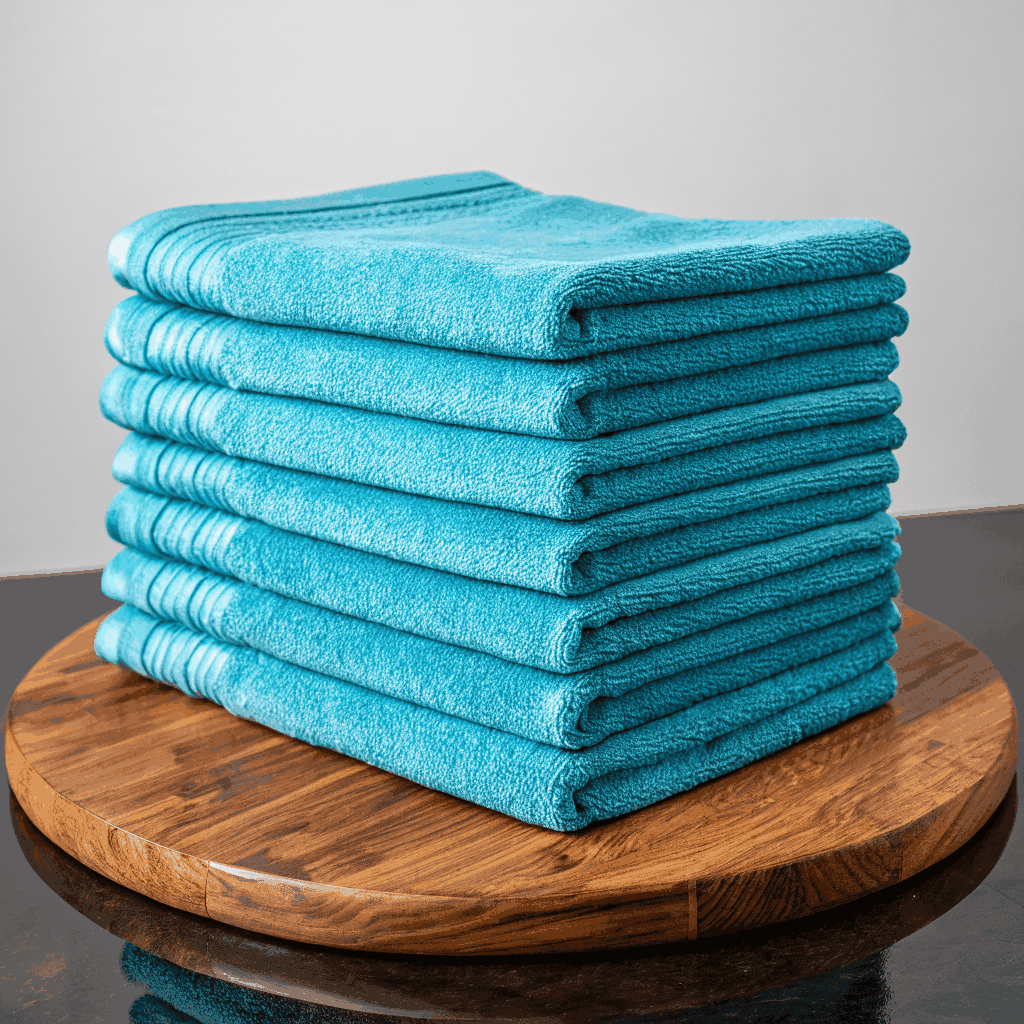
Towels and Personal Hygiene

Every working day begins the same way across washroom facilities: someone grabs a single towel that’s already repeatedly used, treating personal hygiene like an afterthought instead of basic hygiene practice for handling materials on site.

Employees rely on quick hand drying after washing hands before meals, and a clean towel set aside for personal use signals workplace hygiene rather than a slogan posted near a healthy workplace mission statement board.

Smart facilities skip the single rag entirely: disposable alternatives replace it, an unshared towel is issued per person, and shared workplace facilities keep hands clean and dry without forcing anyone to dry hands on cloth.

Why Towels Matter for Workplace Hygiene, Health and Safety

Why Cotton Towels Are Commonly Used

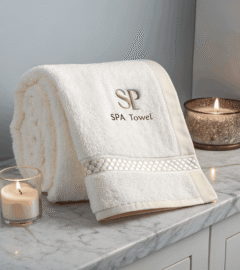
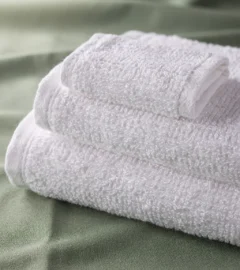
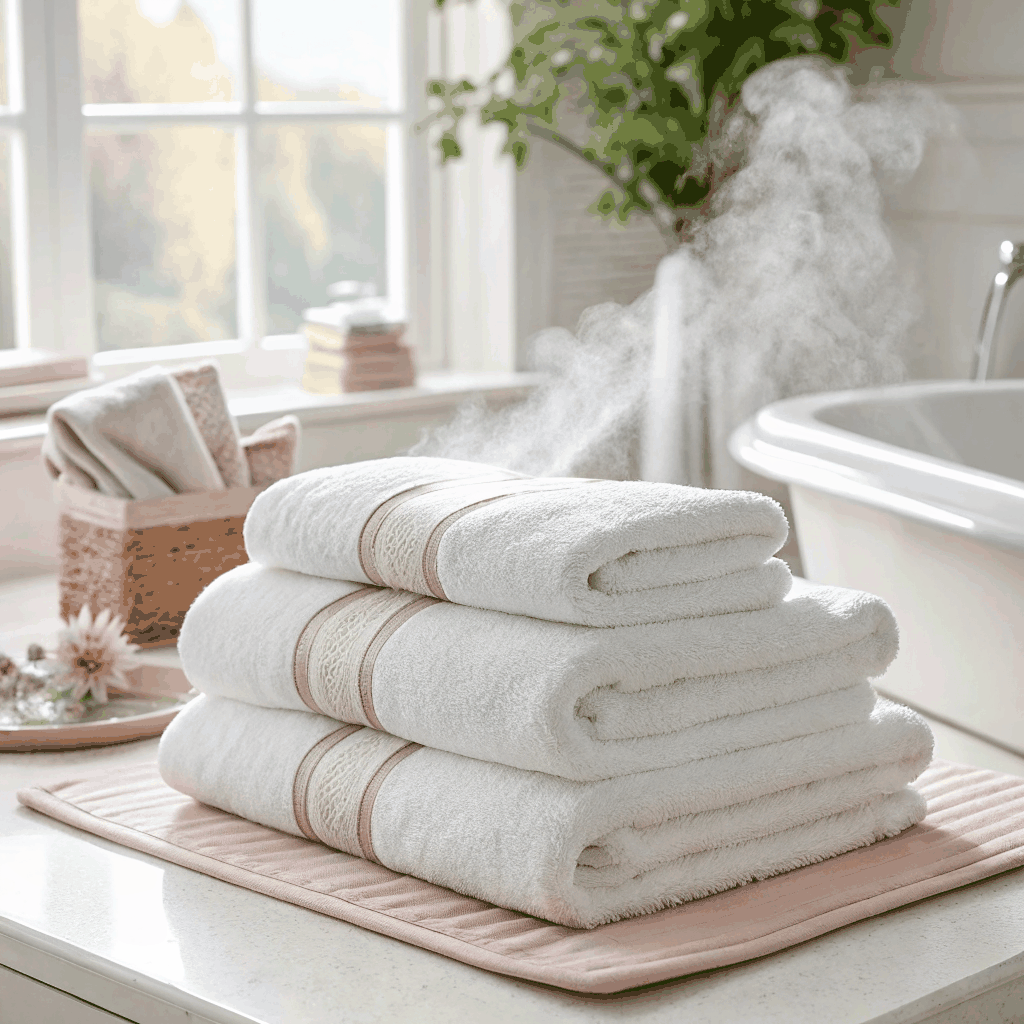
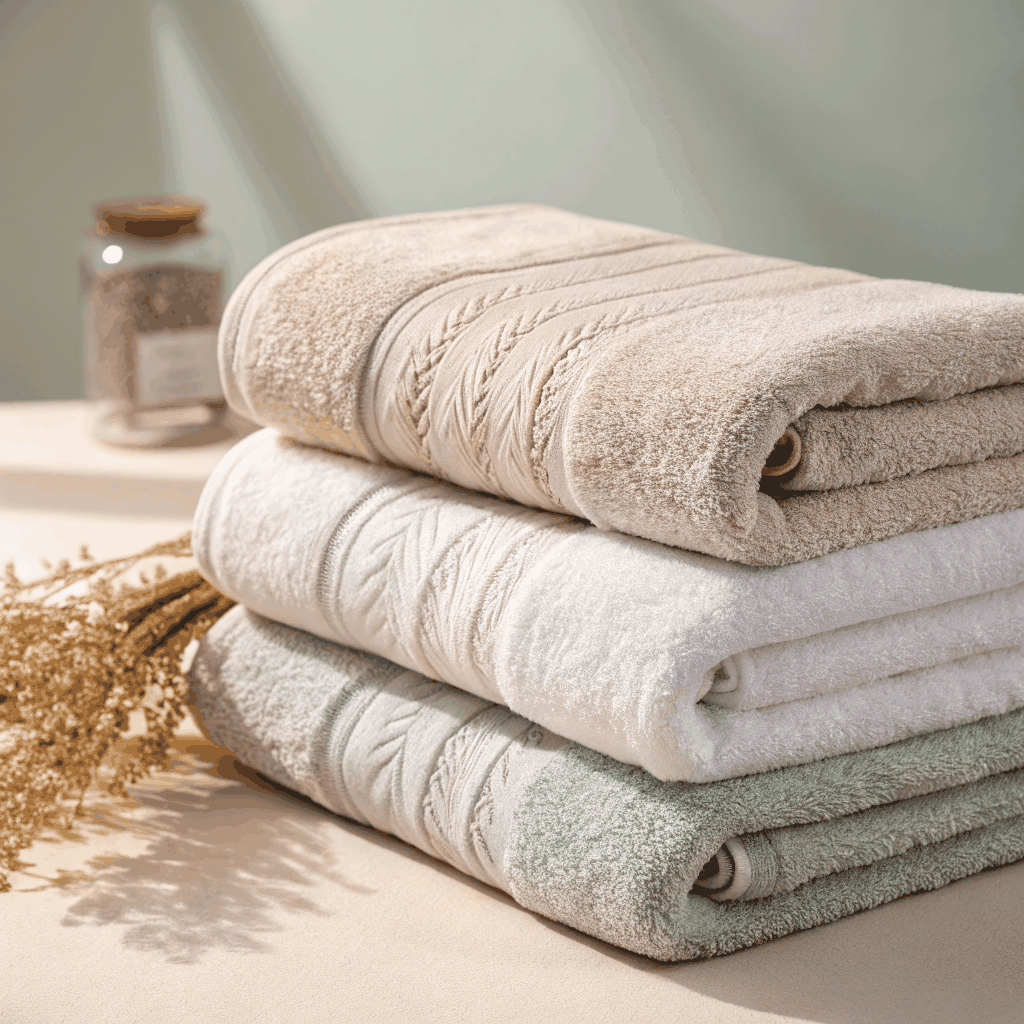
Step into any gyms locker room and notice cotton towels stacked near bathrooms, chosen because they absorb moisture fast during washing while staying absorbent and comfortable, which is why a high-quality towel outlasts cheaper blends.

Walk through changing rooms at hotels and logic holds: a soft quality towel helps you dry body fast, proves practical for daily rotation, and stays reliable when cotton fabric gets cleaned regularly instead of damp.

For everyday use, storing towels properly matters as much as picking good-quality material for personal use rather than frequently used bins, since a towel great for drying or dry hands fails once storage habits slip.

Towels in Factory and Industrial Environments

Inside a factory, kitchen areas demand a different rag than the floor, workers grab whatever’s nearest for wiping surfaces, treating industrial cleaning as one task instead of housekeeping practices tied to moisture and equipment wiping.

Personal hygiene gets sacrificed when industrial workplaces mix cleaning equipment for guest use with hand rags: dirt transfers from machinery maintenance jobs onto washrooms towel bars, and cleaning materials for surfaces end up touching skin.

A visitor use towel should never double as an employee hand drying rag inside one single facility, since cross-use defeats the different purposes, and simple separation through general cleaning routines fixes most workplace housekeeping failures.

Hygiene Is Part of Workplace Safety

Wet floors rarely happen purely by accident: a broken safety system, dirty surfaces, and water spilled near a walkway are how major accidents start, which is why housekeeping earns its place inside any clean workplace.

Investigators tracing a fall find poorly maintained washrooms, a slippery floor, and basic safety rules ignored, proof that everyday hygiene and cleaning materials matter, since the cause investigated points back to a well-maintained workplace standard.

A single spill left untouched can turn proper cleaning procedures into an afterthought, and small housekeeping problems quietly become larger workplace concerns until safety itself, specifically floor safety, gets treated as optional rather than routine.

Applying Safety Rules to Everyday Workplace Hygiene

Around hand-washing areas, contaminated materials get handled carelessly inside a facility, which is why managers train employees as part of a workplace safety system instead of treating worn towels and clean towels as minor hazards.

Wet towels on a bench become personal-use towels by default, turning industrial tasks into a slip hazard the moment washrooms run short of reusable towels, and that gap causes hygiene problems tied to basic hygiene.

Piles of used towels sitting contaminated in a corner defeat every cleaning materials budget a company owns, since real workplace procedures depend on hand-drying facilities meeting housekeeping requirements with the same consistency every single shift.

ISO and Workplace Hygiene

Under ISO 9001, cleaning schedules stop being guesswork and become part of documented occupational health and safety management systems that organizations actually audit, tying quality management directly to routine workplace inspections rather than annual box-ticking.

Being fully ISO-compliant means building structured management systems around cleanliness itself, from personal protective equipment storage to something as basic as a shared towel, and ISO 45001 gives that whole framework its documented procedures backbone.

Washroom hygiene rarely gets mentioned in continual improvement plans, yet it quietly shapes workplace conditions as much as anything else ISO standards cover, and treating housekeeping as just one of many processes keeps audits painless.

ISO 45001 and Workplace Safety

In healthcare settings, a structured approach under ISO 45001 treats even a simple hygiene arrangement as part of managing risks, since ordinary workplace items like plain towels sit closer to patients than most staff realize.

Every occupational health and safety management system needs a framework flexible enough to cover cleaning machinery alongside identifying hazards, because organizations that ignore associated risks around supplies end up rewriting policy after something goes wrong.

A specialized environment like a lab relies on employee hand drying done right, since occupational health and safety risks rarely announce themselves, and additional controls folded into everyday workplace safety keep any workplace procedure honest.

Keeping Clean and Used Towels Separate

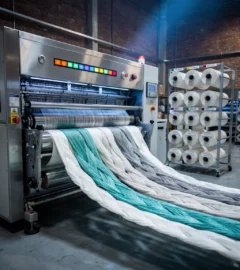
Large manufacturing facilities usually run a very tight collection schedule, moving clean towels straight from drying racks into a dry storage location, a habit smaller businesses often skip entirely until unhappy customers start complaining loudly.

After washing, hotels and similar businesses depend on smooth distribution back to guest floors, and the whole cleaning process only works when a towel-management routine treats gyms and hotel laundry with the same inspection standards.

Once used towels reach central storage, they must always be collected separately from clean stock, since a clear routine for replacement keeps employees from ever guessing which pile is actually ready again for reuse.

Choosing the Right Towel for the Job

Frequency of use should always decide everything: absorbency matters for cotton towels used daily, size and material change by cleaning applications, and weight signals whether a towel fits its intended purpose or just looks good.

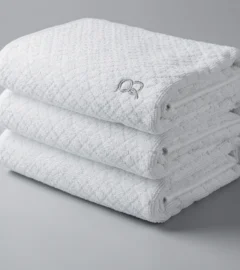
For personal use, washing requirements and durability outweigh price, since a towel picked for one intended application rarely survives repeated washing without losing shape, which is why smart businesses build workplace hygiene standards around lifespan.

Training Employees Is Still Important

A proper risk assessment truly means nothing if employees never learn how PPE or emergency procedures actually work inside their own work area, and most HSE audits catch this gap immediately during a routine walkthrough.

Good housekeeping alone doesn’t create a safe workplace: real workplace safety requirements need hazard reporting built into daily habits, which is the approach the ISH Institute of Safety & Health teaches under basic hygiene training.

Building employee knowledge takes more than posting procedures on a wall, structured training programs turn workplace safety from theory into instinct, whether the topic is cleaning products or full risk controls across a whole site.

Towels, Housekeeping and a Better Workplace Environment

A cluttered storage room says more about product quality than any brochure from towel manufacturers, since a clean washroom usually starts with small habits like clearing a walking area before employees even mention regular laundering.

Right beside the hand-washing area, customers usually notice small details before staff ever do, so purchasing towels for the whole workplace environment matters less than whether facilities practice good housekeeping and keep everything stored properly.

Final Thoughts

Ordinary housekeeping routines rarely reference ISO 45001, yet personal cleanliness and workplace hygiene sit underneath every one of those formal safety controls, proving that established safety systems grow out of general housekeeping, not the reverse.

Something as simple as hand drying connects straight back to occupational health and safety once cleaning procedures get written into a framework, turning hygiene practices into deliberate routine activities inside structured health and safety management.

Workplace risk management treats a simple everyday product like a towel as a genuine variable, building employee awareness through ISO-based systems and good-quality products that play a practical role in daily housekeeping and workplace safety.